
As the colder weather approaches, it is worth spending a little time checking your home’s plumbing and heating before winter arrives. A few simple checks now can help prevent frozen pipes, heating problems, leaks and unexpected boiler breakdowns when you need your heating the most.
For homeowners in Liverpool and the surrounding areas, preparing your heating and plumbing system before the temperature drops can make a big difference.
Here is our practical winter plumbing and heating checklist.
1. Get Your Boiler Checked Before Winter
Your boiler will usually work much harder during the winter months, so autumn is a good time to make sure everything is working correctly.
If your boiler has not been serviced recently, consider arranging a boiler service before winter. A service allows a qualified heating engineer to check the boiler’s operation and identify potential problems before they become a breakdown.
It is particularly worth getting your boiler checked if you have noticed:
- Unusual noises
- The boiler switching itself off
- Changes in heating performance
- Frequent pressure drops
- Error codes
- Radiators taking longer than usual to heat up
- Hot water problems
Finding a problem in October is much easier than discovering it on a freezing December evening.
2. Check Your Boiler Pressure
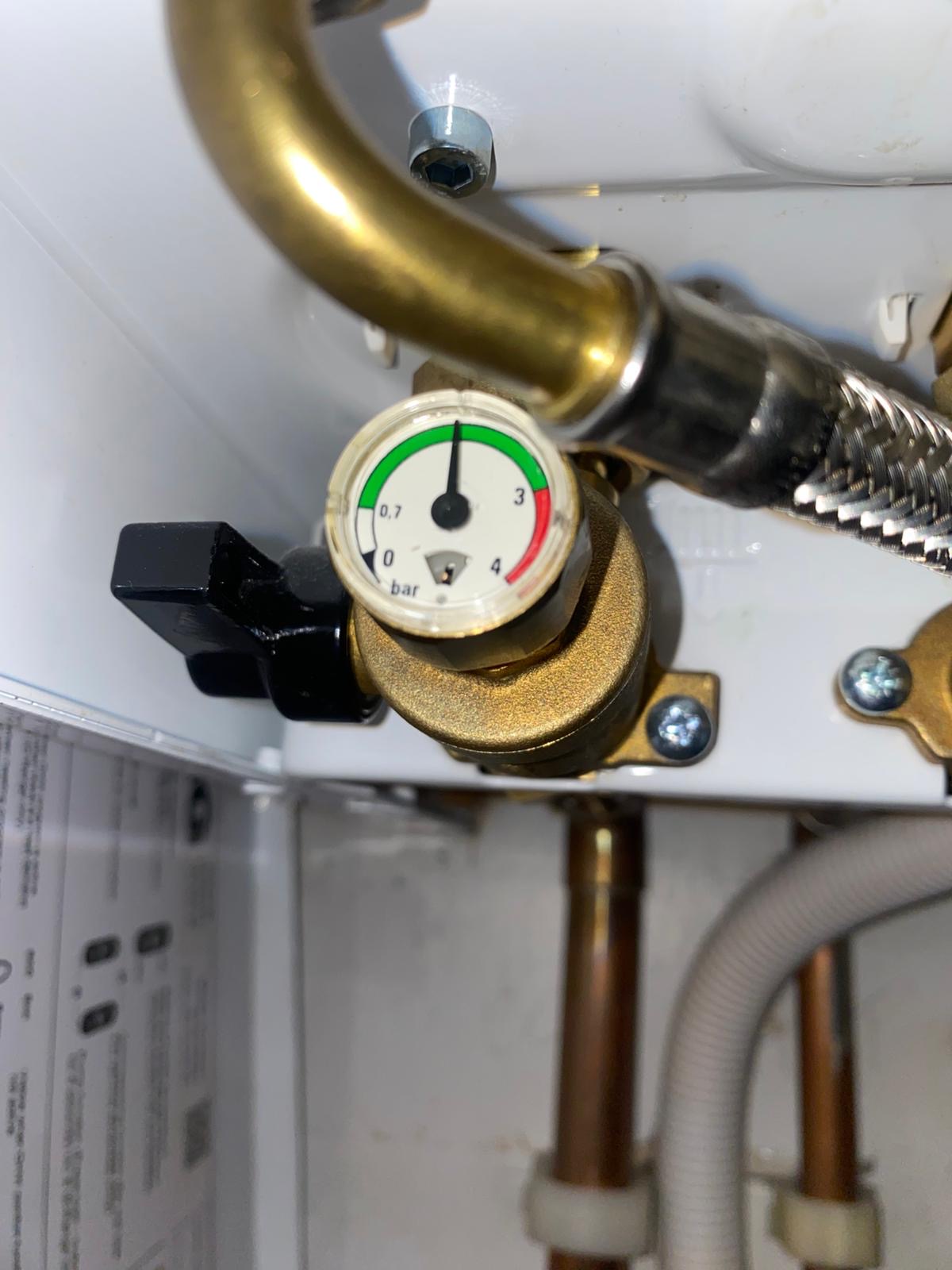
If you have a sealed central heating system, check the pressure shown on the boiler’s pressure gauge.
Many systems operate at around 1 to 1.5 bar when cold, although the correct pressure can vary depending on the boiler and heating system.
If the pressure is repeatedly dropping, simply topping it up may not solve the underlying problem. There could be a leak or another fault that needs investigating.
Always check your boiler manufacturer’s instructions for the correct pressure for your particular system.
3. Check Your Radiators
Turn your heating on and give your radiators enough time to warm up.
Check each radiator around the house and look for any that:
- Stay cold
- Are cold at the top
- Are cold at the bottom
- Have cold patches
- Take much longer to heat than others
- Make unusual noises
A radiator that is cold at the top may need bleeding, while cold areas at the bottom can sometimes indicate a build-up of sludge within the heating system.
If one or more radiators are consistently underperforming, it is worth getting the cause investigated before winter.
4. Bleed Your Radiators If Necessary
Air trapped inside a radiator can prevent it from heating properly.
If a radiator is cold at the top but warm lower down, it may need bleeding.
Before bleeding a radiator, make sure your heating is switched off and the radiators have cooled down. Use a suitable radiator key and take care when releasing the trapped air.
After bleeding radiators, remember to check your boiler pressure, as bleeding several radiators can cause the system pressure to fall.
5. Check Your Heating Controls
There is little point having an efficient boiler if your heating controls are not working properly.
Check that your:
- Thermostat is working
- Heating comes on when programmed
- Radiator valves are operating correctly
- Timers and programmers are working
- Smart heating controls are communicating correctly
It is also worth checking that you know how to use your heating controls before you need to rely on them every day.
6. Protect Your External Pipes
Frozen pipes are one of the most common winter plumbing problems.
Water expands when it freezes, which can put considerable pressure on pipework. If a frozen pipe bursts, the resulting leak can cause significant damage to your home.
Pay particular attention to exposed pipework in:
- Garages
- Loft spaces
- Cupboards
- External walls
- Unheated areas
Pipe insulation can help protect exposed pipes from freezing temperatures.
7. Don’t Forget Your Outside Tap
Your outside tap and the pipework supplying it can be particularly vulnerable during freezing weather.
If your system allows you to isolate and drain the outside tap before winter, doing so can reduce the risk of water freezing inside the pipework.
If you have an outside tap that has leaked previously or you are unsure how to protect it, it is worth having it checked before the temperature drops.
8. Find Your Stopcock
Do you know where your home’s stopcock is?
If a pipe bursts or you suddenly discover a serious leak, knowing how to turn off the mains water quickly can help limit the damage.
The stopcock is often located under the kitchen sink, although its location can vary between properties.
It is a good idea to make sure it can actually be turned before an emergency occurs. A stopcock that has not been operated for years can sometimes become difficult to move.
9. Check For Small Leaks
Winter is not the time to discover that a small leak has developed into a major plumbing problem.
Check around:
- Toilets
- Taps
- Sinks
- Radiators
- Boiler pipework
- Hot water cylinders
- Visible pipework
Even a small leak should not automatically be ignored. A small problem can become considerably worse if left untreated.
10. Check Your Hot Water System
Your heating isn’t the only system that gets more use during winter.
Make sure your hot water is heating correctly and that you are not experiencing problems such as:
- Water not getting hot enough
- Fluctuating hot water temperature
- Leaking cylinders
- Unusual noises
- Loss of hot water
- Problems with hot water controls
If you have an unvented hot water cylinder, any work on the cylinder should be carried out by a suitably qualified engineer.
11. Don’t Ignore Unusual Boiler Noises
If your boiler starts making unusual noises, don’t simply wait for it to get worse.
Banging, kettling, whistling, vibrating or repeated clicking can have several possible causes.
Some noises may be relatively minor, while others can indicate a developing fault.
Getting an unusual noise investigated before winter could potentially prevent a more inconvenient breakdown later.
12. Know What To Do If Your Pipes Freeze
If you suspect a pipe has frozen, do not use a naked flame or other dangerous method to thaw it.
Turn off the water supply if appropriate and gently warm the affected area using a safe source of heat.
If a pipe has already burst, turn off the water at the stopcock and contact a plumber as soon as possible.
13. Don’t Leave Problems Until The Cold Weather Arrives
One of the biggest mistakes homeowners make is waiting until the heating stops working before doing anything about it.
If your boiler is showing signs of a problem, your radiators are not heating correctly or your plumbing has developed a leak, getting it looked at before winter can save considerable inconvenience.
A small fault in autumn can become a major problem when your heating is running every day.
Your Winter Plumbing & Heating Checklist
Before winter arrives, make sure you have:
☐ Checked your boiler is working correctly
☐ Arranged a boiler service if required
☐ Checked your boiler pressure
☐ Tested your radiators
☐ Bled radiators where necessary
☐ Checked your thermostat and heating controls
☐ Insulated exposed pipework
☐ Protected your outside tap
☐ Located your stopcock
☐ Checked for leaks
☐ Checked your hot water system
☐ Investigated unusual boiler noises
Taking a little time to prepare now could help you avoid an inconvenient plumbing or heating emergency when temperatures fall.
Need Help Preparing Your Home for Winter?
If your boiler, central heating or plumbing is not working as it should, it is better to get the problem checked before winter arrives.
Aigburth Plumbing & Heating provides plumbing and heating services for homeowners in Liverpool and surrounding areas, including boiler repairs, heating problems and general plumbing.
If you have noticed a problem with your heating or plumbing, don’t wait for the cold weather to make it worse.