
If you’ve noticed water dripping from a small plastic fitting near your hot water cylinder, you may be wondering whether it’s something to worry about. This fitting is known as a tundish, and while an occasional drip may not always indicate a serious issue, persistent dripping should never be ignored.
At Aigburth Plumbing & Heating, we regularly help homeowners throughout Liverpool diagnose and repair unvented cylinder faults. One of the most common calls we receive involves a dripping tundish.
In this guide, we’ll explain what a tundish does, why it may be dripping and when you should contact a qualified engineer.
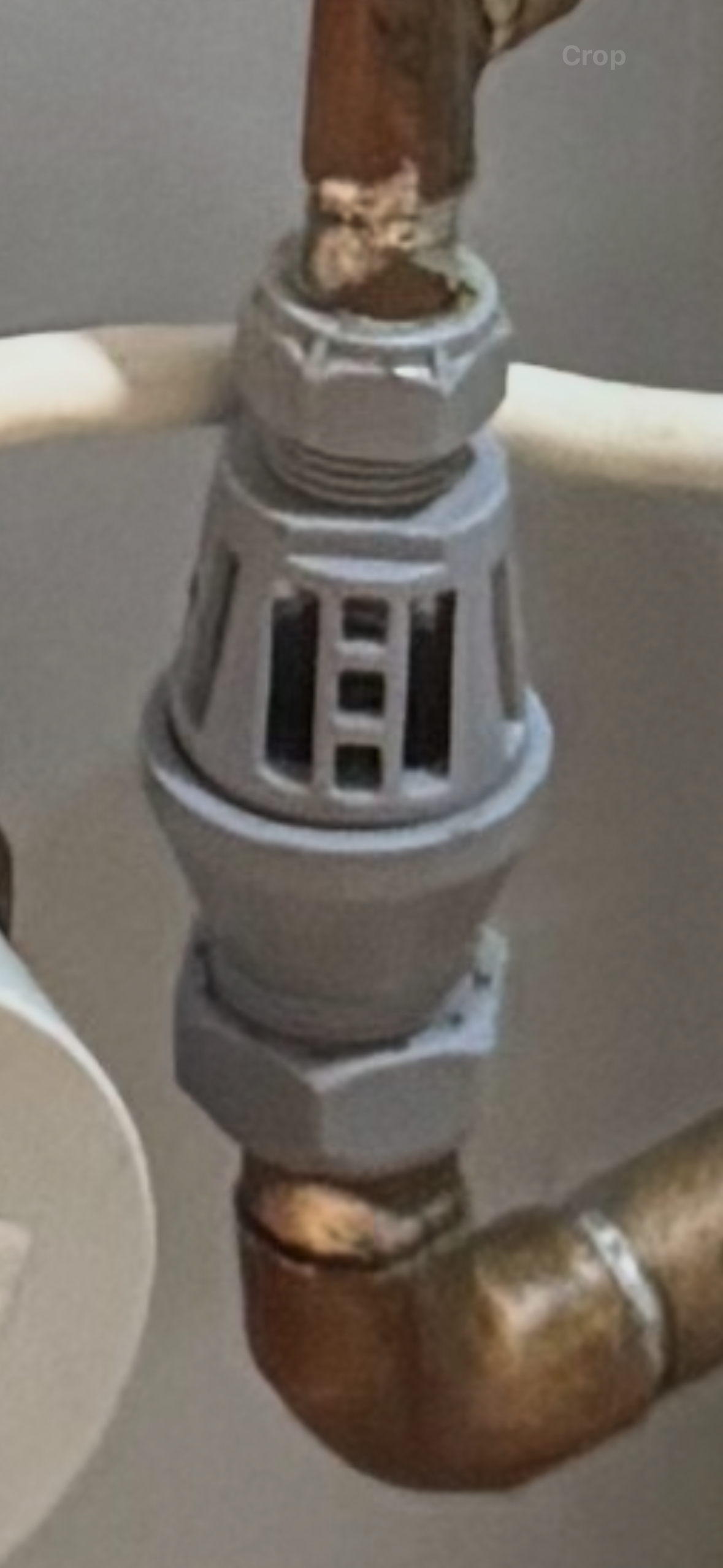
What Is a Tundish?
A tundish is a safety device found on unvented hot water cylinders. It is usually located on the discharge pipework close to the cylinder and allows you to see when water is being released from the system.
Its purpose is to provide a visible indication that a safety valve is operating and discharging water.
If your unvented cylinder is working correctly, water should not normally be flowing through the tundish on a regular basis.
What Does a Dripping Tundish Mean?
A dripping tundish is usually a sign that one of the safety devices on your unvented cylinder is operating due to excessive pressure or temperature within the system.
The exact cause can vary and should be investigated promptly.
Common Causes of a Dripping Tundish
1. Faulty Expansion Vessel
One of the most common causes of tundish discharge is a failed or partially deflated expansion vessel.
The expansion vessel absorbs the increased volume of water as it heats up. If it loses its air charge or becomes faulty, pressure can rise excessively and cause water to discharge through the safety valve.
Common signs include:
- Water dripping from the tundish when the cylinder heats up
- Pressure fluctuations
- Increased discharge during periods of high hot water demand
2. Faulty Pressure Relief Valve
Pressure relief valves are designed to protect the cylinder from excessive pressure.
Over time, these valves can become worn, damaged or contaminated with debris, preventing them from sealing correctly.
This can lead to a constant or intermittent drip from the tundish.
3. High Incoming Mains Pressure
Unvented cylinders rely on mains water pressure.
If the incoming pressure is too high or if the pressure-reducing valve develops a fault, the system may exceed its design limits.
This can cause the safety valves to activate and discharge water through the tundish.
4. Thermal Expansion Issues
As water heats up, it naturally expands.
If the expansion arrangements within the system are not functioning correctly, the additional pressure has nowhere to go and may trigger the discharge pipework.
5. Faulty Temperature and Pressure Relief Valve
Every unvented cylinder is fitted with a temperature and pressure relief valve.
If this valve detects excessive temperature or pressure, it will discharge water through the tundish as a safety measure.
A faulty valve may occasionally discharge unnecessarily and require replacement.
6. Scale and Debris Build-Up
In some cases, limescale or debris can prevent safety valves from sealing correctly.
Even small particles can cause valves to weep continuously, resulting in a persistent drip.
Is a Dripping Tundish Dangerous?
A dripping tundish should never be ignored.
Although the tundish itself is performing its intended function, the discharge is often a warning sign that something within the system requires attention.
Ignoring the problem may result in:
- Increased water wastage
- Higher utility bills
- Reduced system efficiency
- Damage to components
- More expensive repairs in the future
In some cases, continuous discharge may indicate a fault affecting the safe operation of the cylinder.
What Should You Do If Your Tundish Is Dripping?
Do Not Block the Discharge Pipe
The discharge pipework is a critical safety component.
Never attempt to block, cap or restrict water flowing from the tundish.
Observe When the Dripping Occurs
Try to determine whether the discharge occurs:
- Constantly
- Only when heating water
- During periods of high hot water use
This information can help diagnose the underlying cause.
Contact a Qualified Engineer
Unvented cylinders must be worked on by appropriately qualified engineers.
Professional diagnosis is the safest and most effective way to identify the cause and carry out repairs.
How Can You Prevent Tundish Problems?
Regular servicing is the best way to prevent issues with unvented cylinders.
Annual servicing allows an engineer to inspect:
- Expansion vessels
- Pressure reducing valves
- Temperature and pressure relief valves
- Discharge pipework
- Thermostats
- Safety controls
Routine maintenance can often identify faults before they become major problems.
Why Choose Aigburth Plumbing & Heating?
At Aigburth Plumbing & Heating, we specialise in unvented hot water cylinders throughout Liverpool and surrounding areas.
We provide:
✅ Unvented cylinder servicing
✅ Expansion vessel replacement
✅ Tundish fault diagnosis
✅ Safety valve replacement
✅ Megaflo repairs
✅ Unvented cylinder installations
Our experienced engineers can quickly identify the cause of a dripping tundish and recommend the most appropriate solution.
Unvented Cylinder Repairs in Liverpool
If your tundish is dripping, don’t ignore it. Early diagnosis can prevent larger problems and help keep your hot water system operating safely and efficiently.
Aigburth Plumbing & Heating provides professional unvented cylinder repairs, servicing and installations throughout Liverpool.
Contact us today to arrange an inspection or discuss any concerns regarding your hot water system.